
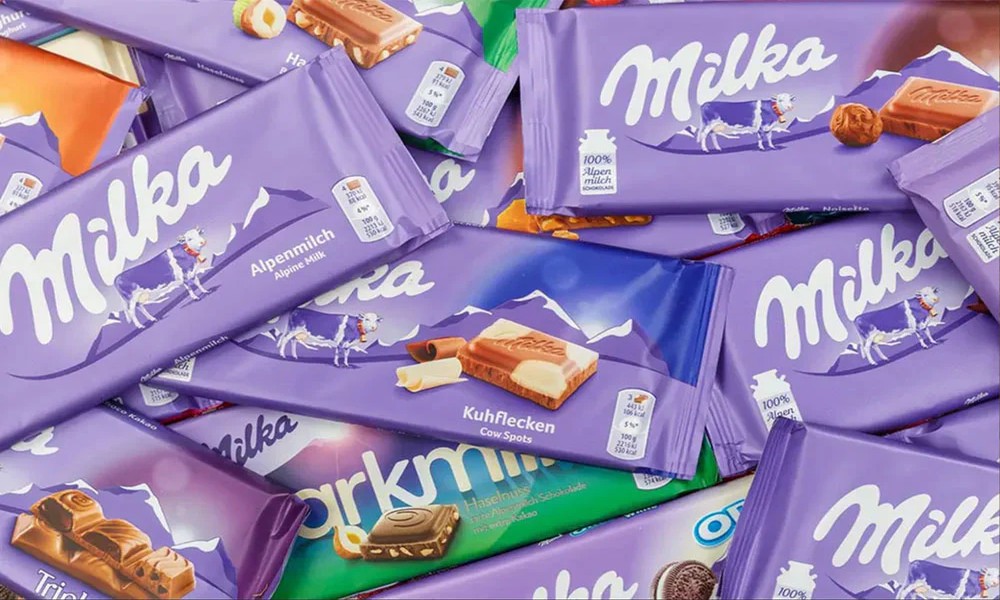

There is something quietly deliberate about handing someone a bar of chocolate. There is no reason or occasion for it, yet it rarely feels mindless. Few mass-production confectionery brands have held a position like milka chocolate bars in this space. Recognition plays a part in that. The lilac wrapper is not something buyers spend time processing; they reach for it. But familiarity alone does not sustain a gifting habit across markets and generations.
There has to be a degree of perceived value attached, a sense that the choice carries some intention behind it. Milka occupies this middle ground with unusual consistency, sitting between the purely transactional and the genuinely considered. That positioning is harder to maintain than it appears, and the brand has done it without veering into either budget anonymity or inaccessible luxury.
Why does colour carry such a strong recall?
Colour in product identity tends to be underestimated until it becomes impossible to ignore. Milka’s lilac has reached that point across most European retail environments. Shoppers who have not actively thought about the brand in years will still clock the packaging from several feet away, often before reading any text. That kind of embedded recognition is built slowly and is extraordinarily difficult to displace once established.
What makes this particularly relevant to gifting is the way colour reduces hesitation at the point of selection:
- A recognised palette signals reliability, which matters when buying for someone else.
- Lilac sits outside the conventional red and brown tones dominating chocolate retail, making it visually distinct on crowded shelves.
- Seasonal packaging retains the core colour identity even as the outer design shifts, preserving recognition across occasions.
- Repeated exposure across different retail settings deepens familiarity without requiring active brand engagement from the buyer.
None of this happened accidentally. It reflects sustained discipline in how the product has been presented over decades, and the gifting behaviour it generates is a direct product of that consistency.
Format range sustains the habit
A single flagship product rarely holds gifting relevance across the full spectrum of occasions. What Milka has done, more effectively than comparable brands, is extend its format range without fragmenting its identity. A small bar purchased at a checkout counter and a larger seasonal assortment selected for a celebratory occasion both read as unmistakably the same brand. That coherence across formats is not common.
This matters practically. Buyers do not need to relearn the brand when the occasion changes. Whether the gesture is minor or meaningful, the product scales to fit it without requiring a different decision process. Seasonal editions reinforce this further by lending context to the choice, making a familiar product feel timely and considered rather than habitual.
Over time, repeated positive experiences with the same brand across varied occasions build a level of default preference that is difficult for competitors to interrupt. This cycle has allowed Milka to be present across multiple European markets. It makes the purple bar a part of celebrations, informal gatherings, and everything in between.
European gifting culture continues to use it because of its quiet, consistent reliability, which makes a choice feel safe without being boring.