
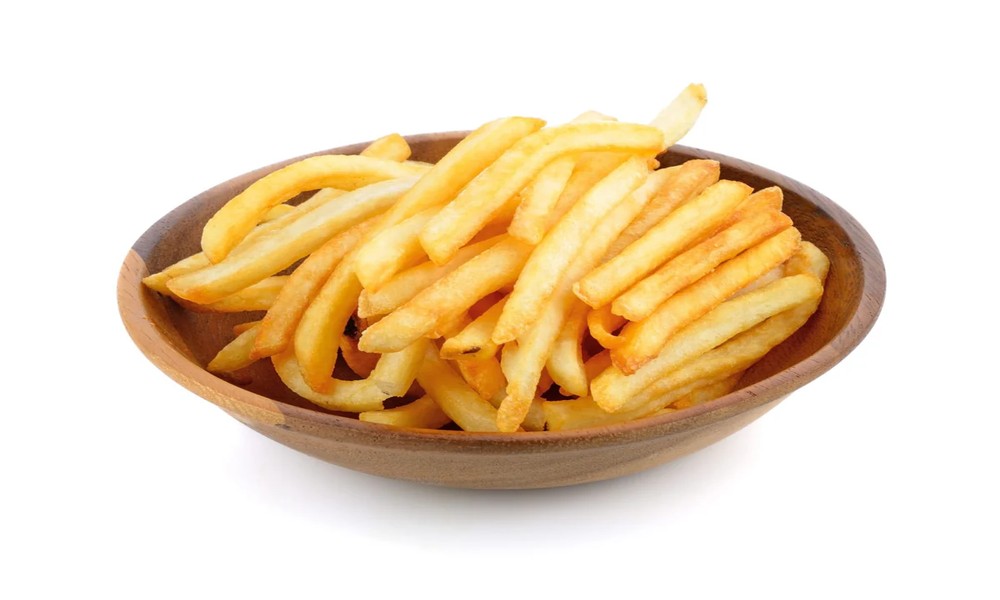

Healthy frozen french fries are becoming a popular choice for people who want convenience without compromising on nutrition or ingredient quality. These modern frozen options can be crispy, flavorful, and satisfying while still fitting into a balanced lifestyle when chosen carefully. The key lies in understanding ingredients, preparation methods, and labeling so that frozen fries can be enjoyed in a smarter way without unnecessary additives or overly processed components.
In this guide, the focus is on what makes frozen fries healthier, how to identify better options, and how to prepare them in ways that maintain both taste and nutritional value.
What Makes Frozen French Fries Healthy?
Not all frozen fries are created equal. Their health value depends largely on ingredients, processing methods, and cooking techniques rather than the fact that they are frozen.
Healthier frozen fries are typically made from real potatoes, contain minimal or no additives, and avoid unnecessary preservatives or artificial enhancers. The simpler the ingredient list, the closer the product is to its natural form.
Another important factor is whether the fries are gluten-free and suitable for a wider range of dietary needs. Fries made without gluten-containing ingredients are often better tolerated by individuals with sensitivities or dietary restrictions.
Key Features of Healthier Frozen Fries
Health-conscious consumers often look for specific qualities when selecting frozen fries. These features can help distinguish better options from highly processed alternatives.
Frozen fries made with real potatoes are generally preferred because they preserve more of the natural structure and nutrients of the ingredient. Products without additives or preservatives are also considered cleaner choices, as they avoid unnecessary chemical enhancements.
Gluten-free labeling is another important feature, especially for individuals who avoid gluten for health reasons. Additionally, fries that can be prepared in an air fryer or oven are often considered healthier because they require less oil during cooking.
What to Avoid in Frozen French Fries
Understanding what to avoid is just as important as knowing what to look for. Many frozen fries contain added ingredients that may affect their nutritional quality.
Artificial preservatives, flavor enhancers, and color stabilizers are often used to extend shelf life or enhance appearance. However, these additives may not contribute to overall nutritional value.
Some products may also include modified starches or fillers instead of pure potato content. These can alter texture but reduce the natural integrity of the food.
Another concern is the type of oil used in pre-processing or par-frying. Oils that are heavily processed or high in unhealthy fats may negatively impact the overall health profile of frozen fries.
The Shift Toward Cleaner Frozen Fries
Consumer demand has led to a noticeable shift toward cleaner and simpler frozen food options. Many people now prefer frozen fries made with minimal ingredients and transparent labeling.
This shift is driven by increased awareness of dietary quality and a desire to avoid overly processed foods. As a result, more products now focus on simplicity, using fewer ingredients and relying on natural potato flavor instead of artificial enhancements.
Cleaner frozen fries aim to provide the same taste and texture while reducing unnecessary additives, making them more appealing to health-conscious consumers.
Are Gluten-Free Frozen Fries Better?
Gluten-free frozen fries are not just a trend; they are an important option for individuals with gluten intolerance or sensitivity. In their simplest form, potatoes are naturally gluten-free, but contamination or added ingredients can sometimes introduce gluten.
Gluten-free labeling ensures that no gluten-containing ingredients are used during processing. This makes these fries suitable for a wider audience and more inclusive dietary needs.
For many consumers, gluten-free frozen fries also represent a cleaner and more straightforward ingredient profile, which is often associated with higher-quality food choices.
The Healthiest Way to Cook Frozen Fries
Cooking method plays a major role in determining how healthy frozen fries ultimately are. Even the best ingredients can become less healthy if prepared using excessive oil or high-fat cooking techniques.
Air frying is one of the most popular methods because it uses significantly less oil while still producing a crispy texture. This method circulates hot air to achieve browning and crunch without deep frying.
Oven baking is another effective option. It allows fries to cook evenly while reducing added fat. Spreading fries evenly on a tray and flipping them halfway through ensures a balanced texture.
Both methods help maintain flavor while reducing overall calorie and fat content compared to traditional deep frying.
Why Cooking Method Matters
The way frozen fries are prepared directly affects their nutritional outcome. Deep frying typically increases fat content and calorie density, while alternative cooking methods reduce unnecessary oil absorption.
Air frying and baking also help preserve the natural taste of potatoes without masking it with heavy oils. This allows the base ingredient to remain more prominent in flavor and texture.
Choosing the right cooking method can turn frozen fries from a high-fat snack into a more balanced food option.
Real Experiences With Cleaner Frozen Fries
Many consumers report positive experiences when switching to simpler frozen fries with fewer additives. They often notice improved taste clarity, lighter texture, and better alignment with dietary goals.
Individuals with dietary restrictions especially appreciate gluten-free options, as these provide more freedom in meal planning. Families also find that cleaner ingredient lists offer more peace of mind when serving frozen fries regularly.
These experiences highlight a growing shift toward more mindful eating habits even within convenience foods.
Guidelines for Choosing Better Frozen Fries
Selecting healthier frozen fries becomes easier with a few simple guidelines. Reading ingredient labels is one of the most important steps, as it reveals whether the product contains unnecessary additives or fillers.
Prioritizing real potato content ensures a more natural food base. Looking for gluten-free certification can also help meet dietary needs more confidently.
Additionally, choosing fries designed for air frying or baking can support healthier preparation habits at home.
The Idea Behind Cleaner Frozen Fries
Cleaner frozen fries are built on the idea that simple ingredients often lead to better food choices. Instead of relying on artificial enhancers, these products focus on preserving the natural qualities of potatoes.
This approach supports both taste and nutrition by minimizing processing and keeping ingredient lists short and transparent. It also aligns with modern dietary preferences that emphasize balance and simplicity.
Conclusion: Smarter Choices in Frozen Fries
Healthy frozen french fries are no longer a contradiction when made with the right ingredients and prepared using better cooking methods. By focusing on real potatoes, avoiding unnecessary additives, and choosing gluten-free or cleaner formulations, frozen fries can fit into a balanced lifestyle.
Ultimately, the healthiest approach is about awareness and moderation. With smarter choices, frozen fries can remain a convenient, enjoyable, and more mindful food option without compromising on taste or quality.