
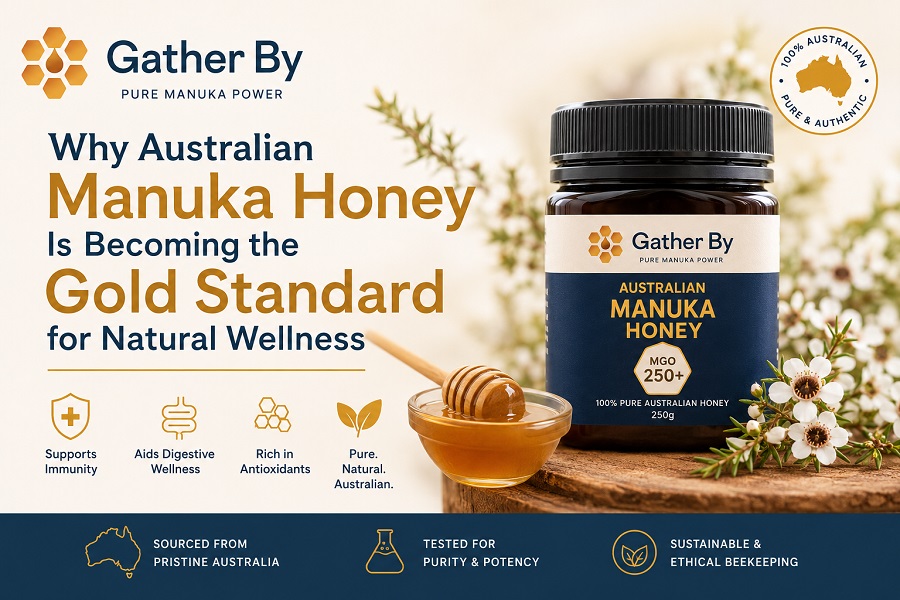

As consumers become increasingly conscious about what they eat and how they support their health, natural products are experiencing unprecedented growth. Among the most sought-after superfoods today, Manuka honey stands out for its unique nutritional profile, antibacterial properties, and wellness applications.
While many people associate Manuka honey with New Zealand, Australian Manuka honey has emerged as a premium alternative that offers exceptional quality, scientific backing, and remarkable health benefits. Produced in pristine Australian landscapes, this unique honey is gaining recognition among health-conscious consumers, nutritionists, and wellness experts worldwide.
From supporting immunity and digestive health to promoting skin wellness and overall vitality, Australian Manuka honey delivers a wide range of advantages that make it more than just a natural sweetener.
This guide explores the key benefits of Manuka honey, how it differs from traditional honey varieties, the important contribution of Manuka honey bees to its production, and the reasons Australian Manuka honey continues to gain global recognition.
What Makes Manuka Honey Different?
Unlike traditional honey varieties, Manuka honey is derived from the nectar of Leptospermum plants, commonly known as Manuka trees. These plants contain naturally occurring compounds that contribute to the honey’s distinctive antibacterial and antioxidant properties.
The uniqueness of Manuka honey lies in its concentration of bioactive compounds, including methylglyoxal (MGO), which is widely studied for its antimicrobial effects.
Key characteristics include:
- Higher antibacterial activity than conventional honey
- Rich antioxidant content
- Natural support for immune function
- Potential digestive wellness benefits
- Versatile use in skincare and wound care applications
Because of these attributes, Manuka honey has become a preferred natural wellness product among consumers seeking functional foods backed by both traditional use and modern research.
Understanding the Role of Manuka Honey Bees
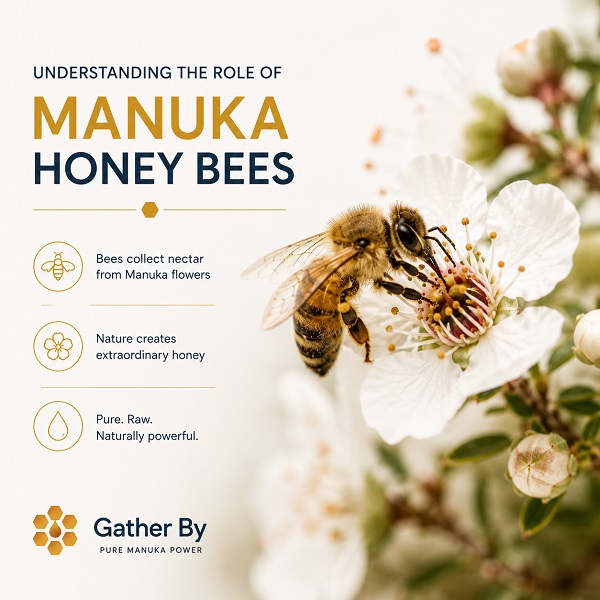
The production of authentic Manuka honey begins with healthy ecosystems and specialized pollination processes. The quality of the final product depends heavily on the work of manuka honey bees that forage on flowering Leptospermum species.
These bees collect nectar from Manuka blossoms during a relatively short flowering season. The nectar contains naturally occurring compounds that eventually contribute to the honey’s bioactive profile.
Several factors influence the quality of Manuka honey:
Geographic Conditions
Australian Manuka trees thrive in diverse regions with unique climates and soil compositions. These environmental conditions influence nectar quality and botanical characteristics.
Bee Health
Healthy bee colonies are essential for producing premium-grade honey. Responsible beekeeping practices help maintain strong populations and support sustainable honey production.
Seasonal Flowering
The limited flowering period of Manuka plants makes authentic Manuka honey a highly valued product. Weather conditions during this period significantly affect annual yields.
The relationship between bees, plants, and the surrounding environment is a major reason why authentic Manuka honey remains a premium natural product.
The Science Behind Raw Manuka Honey
Many wellness enthusiasts specifically seek raw Manuka honey because minimal processing helps preserve naturally occurring enzymes and beneficial compounds.
When honey undergoes excessive heating or filtration, some of its natural characteristics may be altered. Raw varieties are generally processed more gently to maintain their original nutritional integrity.
Research has explored numerous raw honey benefits that may contribute to overall wellness and health support.
Some commonly recognized benefits include:
Natural Antioxidant Support
Raw honey contains naturally occurring antioxidants that help combat oxidative stress. Antioxidants play an important role in supporting cellular health and protecting the body from free radical damage.
Digestive Wellness
Many consumers use raw Manuka honey as part of a balanced diet to support digestive comfort. Its natural properties may contribute to maintaining a healthy gut environment.
Immune System Support
The bioactive compounds found in Manuka honey have attracted attention for their potential role in supporting natural immune defenses.
Soothing Properties
Raw honey has long been used as a natural remedy for soothing throat irritation and supporting respiratory comfort during seasonal changes.
Skin Health Applications
Many skincare formulations incorporate Manuka honey because of its moisturizing and antibacterial characteristics. It is often used in masks, cleansers, and topical treatments.
Australian Manuka Honey vs Conventional Honey
Although all honey offers certain nutritional benefits, Manuka honey differs in several important ways.
| Feature | Conventional Honey | Australian Manuka Honey |
|---|---|---|
| Floral Source | Various Flowers | Leptospermum Species |
| Antibacterial Activity | Moderate | Significantly Higher |
| MGO Content | Low | Naturally Elevated |
| Premium Grading | Rare | Common |
| Scientific Research | Limited | Extensive |
| Wellness Applications | General | Broad Functional Use |
These distinctions explain why Manuka honey continues to command strong demand among health-conscious consumers.
Why Australian Manuka Honey Is Gaining Global Recognition
Australia possesses one of the world’s largest natural populations of Leptospermum species. This biodiversity contributes to a rich variety of Manuka honey profiles.
Several factors drive the growing popularity of Australian products:
Exceptional Biodiversity
Australia is home to numerous native Leptospermum species, creating unique nectar sources for bees.
Stringent Quality Standards
Many Australian producers implement rigorous testing protocols to verify authenticity, purity, and bioactive content.
Sustainable Production
Ethical beekeeping and environmental stewardship are increasingly prioritized throughout the Australian honey industry.
Advanced Scientific Research
Australian researchers continue to investigate the therapeutic properties of Manuka honey, helping strengthen consumer confidence.
These factors have helped position Australia as a leading source of premium Manuka honey on the international stage.
Common Uses of Manuka Honey
One of the reasons Manuka honey has become so popular is its versatility.
Daily Wellness Routine
Many people consume a spoonful each morning as part of their health regimen.
Natural Sweetener
Manuka honey can be used in:
- Tea
- Smoothies
- Yogurt
- Oatmeal
- Salad dressings
Pre-Workout Energy Source
Its naturally occurring carbohydrates provide a quick and convenient energy boost.
Post-Workout Recovery
Some athletes incorporate Manuka honey into recovery meals due to its nutrient profile.
Skincare Applications
Popular uses include:
- Face masks
- Spot treatments
- Moisturizing blends
- DIY beauty routines
How to Identify Authentic Manuka Honey
As demand grows, consumers should understand how to evaluate product authenticity.
Consider the following factors:
MGO Rating
Methylglyoxal levels are one of the most widely recognized indicators of Manuka honey potency.
Source Transparency
Trustworthy brands provide detailed information about origin, testing procedures, and production methods.
Independent Verification
Third-party testing helps ensure quality and authenticity.
Raw Processing Methods
Many consumers prefer minimally processed products to preserve natural compounds.
When selecting Manuka honey, transparency and scientific verification are important purchasing considerations.
Why More Consumers Choose to Buy Australian Honey
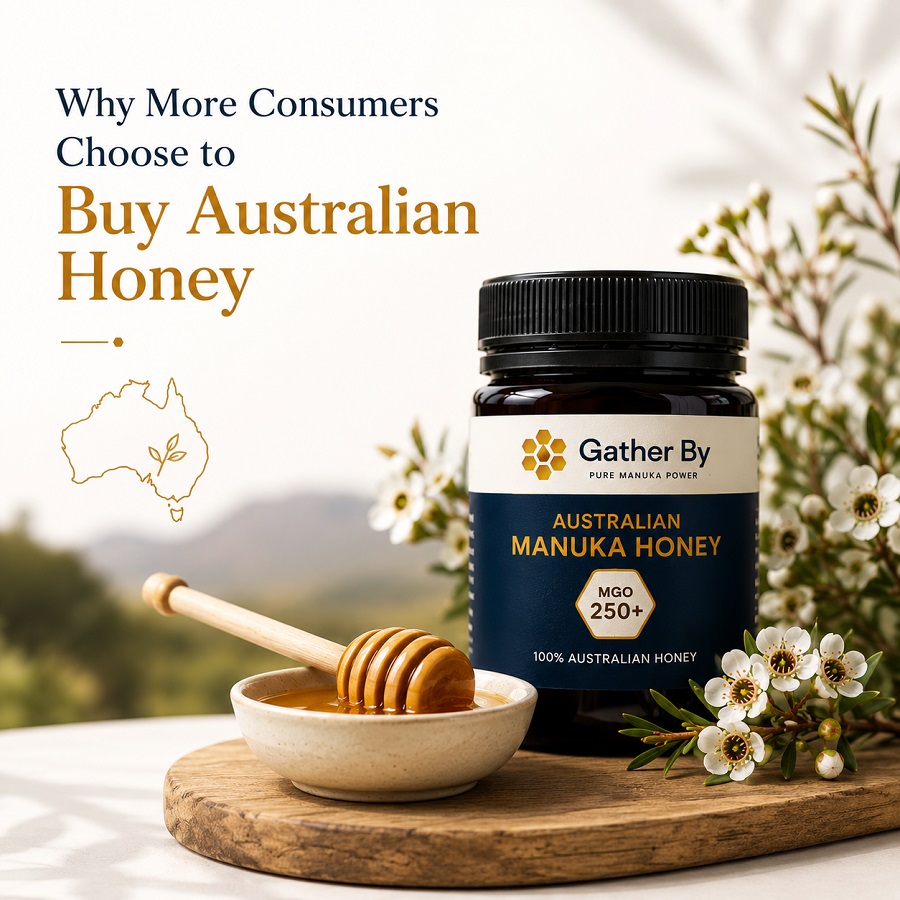
The increasing popularity of Australian honey reflects growing consumer interest in premium natural foods with traceable origins.
When shoppers buy australian honey, they are often looking for products that offer:
- Authentic sourcing
- High-quality standards
- Sustainable production
- Transparent testing
- Exceptional flavor profiles
Australian honey producers have developed strong reputations for delivering premium products that align with modern wellness priorities.
Manuka Honey and Modern Functional Nutrition
Functional foods are products that provide benefits beyond basic nutrition. Manuka honey fits perfectly within this category because it offers a combination of natural sugars, antioxidants, enzymes, and bioactive compounds.
Consumers increasingly seek foods that support:
Immune Resilience
Daily dietary habits play an important role in maintaining overall health.
Gut Health
Interest in microbiome support continues to drive demand for natural wellness products.
Healthy Aging
Antioxidant-rich foods are frequently incorporated into longevity-focused lifestyles.
Natural Alternatives
Many consumers prefer natural ingredients over heavily processed products whenever possible.
These trends continue to fuel the global expansion of the Manuka honey market.
Sustainability and the Future of Australian Manuka Honey
The future of premium honey production depends on protecting both bee populations and natural ecosystems.
Responsible producers increasingly focus on:
- Habitat conservation
- Ethical beekeeping
- Biodiversity preservation
- Sustainable harvesting practices
- Environmental stewardship
Supporting brands that prioritize sustainability helps ensure future generations can continue benefiting from this remarkable natural resource.
Frequently Asked Questions
Is Australian Manuka honey genuine Manuka honey?
Yes. Australia is home to numerous Leptospermum species capable of producing authentic Manuka honey with naturally occurring bioactive compounds.
What makes raw Manuka honey different?
Raw Manuka honey undergoes minimal processing, helping preserve enzymes, antioxidants, and naturally occurring nutrients.
How should Manuka honey be consumed?
Many people enjoy it directly by the spoonful, while others add it to beverages, meals, or wellness routines.
Why is Manuka honey more expensive than regular honey?
Its limited flowering season, specialized production process, scientific testing requirements, and premium bioactive profile contribute to higher production costs.
What role do Manuka honey bees play?
Manuka honey bees collect nectar from flowering Leptospermum plants, enabling the production of authentic Manuka honey with its unique characteristics.
Conclusion
Australian Manuka honey represents a remarkable combination of nature, science, and traditional wellness. From the essential work of manuka honey bees to the growing body of research supporting raw honey benefits, the appeal of this premium honey continues to expand globally.
Consumers seeking high-quality natural products increasingly choose to buy australian honey because of its authenticity, sustainability, and scientifically recognized properties. Whether incorporated into a daily wellness routine, used as a natural sweetener, or applied as part of a skincare regimen, Australian Manuka honey offers a versatile and valuable addition to a healthy lifestyle.
As awareness continues to grow, Australian Manuka honey is well-positioned to remain one of the world’s most respected and sought-after functional foods.