

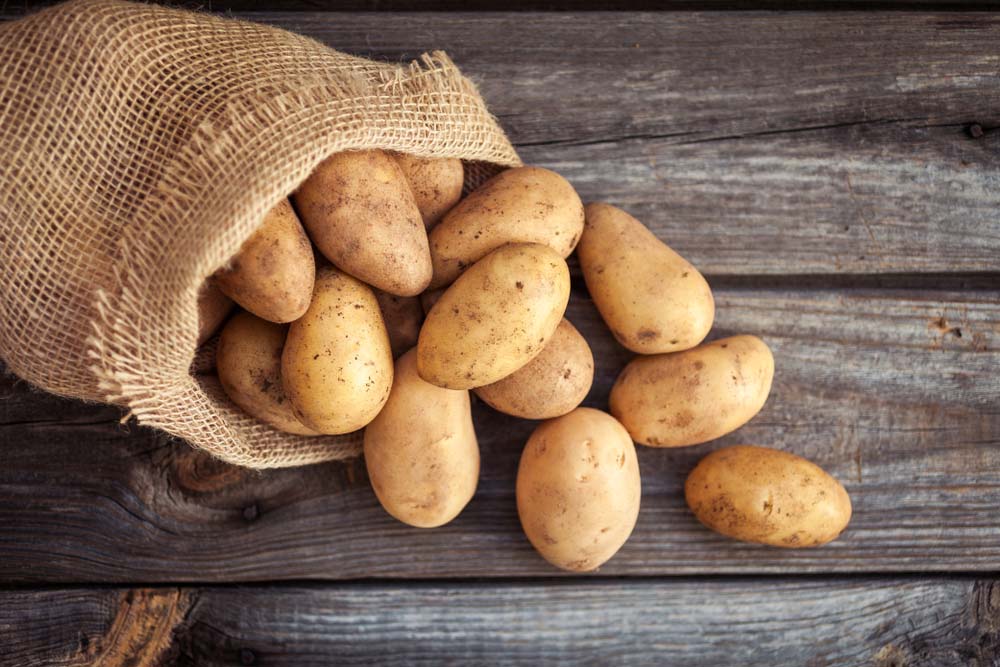
Potatoes are generally categorized as a carb-heavy item and swiftly discarded by those seeking to live healthily. This notoriety has prompted many to ignore one key truth. Potatoes are significantly more than a source of carbs. When cooked correctly and consumed in appropriate amounts, they contain a wide variety of nutrients that enhance general health. Understanding what potatoes truly provide may improve the way they fit into ordinary recipes.
Potatoes As A Nutrient-Dense Food
At their heart, potatoes are entire foods that grow organically from the ground. Unlike refined carbohydrate sources, they are rich in vitamins, minerals, and plant chemicals. While carbs give energy, they are simply one aspect of the nutritional picture. Potato nutrients include critical micronutrients that have a role in muscular performance, immunological health, and cellular repair. This combination makes them a helpful supplement to a well-balanced diet rather than something to avoid.
Rich Source Of Essential Vitamins
One of the most underrated advantages of potatoes is their nutritional content. They are a high source of vitamin C, a chemical generally associated with citrus fruits. A single medium-sized potato may offer a considerable amount of daily vitamin C requirements. This vitamin helps immunological defense, collagen formation, and antioxidant activity in the body.
Potatoes also contain many B vitamins, including vitamin B6. This vitamin is important in brain health, neuron function, and the generation of neurotransmitters that govern mood and attention. These vitamins help transform meals into usable energy, making potatoes particularly important for people with busy lives.
Minerals Supporting Everyday Bodily Processes
Beyond vitamins, potatoes have a robust mineral profile. Potassium is one of the most essential elements present in potatoes, and it plays a critical role in maintaining appropriate blood pressure and fluid balance. Many individuals do not receive enough potassium in their diets, and potatoes may help fill that gap naturally.
Magnesium and iron are also found in lower concentrations. Iron is necessary for the blood’s ability to carry oxygen, while magnesium promotes bone health and muscle relaxation. Together, these minerals help to maintain energy levels and general physical performance.
Digestive Health And Fiber Content
Another reason potatoes give more than carbs is their fiber content. While not as fiber-dense as certain legumes or whole grains, potatoes nonetheless give a decent quantity, particularly when eaten with the peel. Fiber helps delay digestion, improves fullness, and supports gut health by feeding beneficial microorganisms.
Resistant starch, a specific form of carbohydrate found in potatoes, demands special attention. When potatoes are cooked and then cooled, part of their starch becomes resistant to digestion. This resistant starch functions more like fiber, helping control blood sugar levels and promoting digestive health.
Antioxidants And Plant Compounds
Potatoes also include antioxidants that help protect cells from harm caused by free radicals. When included in a balanced diet, these substances promote long-term health and may lower the risk of chronic illnesses. Varying potato cultivars contain varying antioxidants, with colorful potatoes such as red and purple delivering even greater amounts.
These plant chemicals contribute to overall well-being in ways that go beyond simple nourishment. They help cellular protection, inflammatory management, and heart health in a subdued manner.
Satiety And Energy Balance
Despite being regarded as fatty, potatoes are really one of the most satisfying meals available. Their mix of fiber, water content, and complex carbs helps individuals feel full for longer periods. When potatoes are cooked without too much oil, this satiety may help control weight and reduce overeating.
Because they give consistent energy, potatoes are extremely popular among sportspeople and physically active people. They provide important potato elements that promote recuperation and performance while effectively replenishing glycogen levels.
How Preparation Impacts Nutrition
The manner in which potatoes are cooked has a huge influence on their health value. Steaming, baking, and boiling help retain nutrients without adding extra fat. Frying, on the other hand, may considerably boost calorie content while diminishing nutritional advantages.
Eating potatoes with their peels intact boosts fiber and mineral consumption. Pairing them with lean meats, healthy fats, and veggies further strengthens their function in a balanced meal.
Rethinking The Role Of Potatoes
The reputation of potatoes should be more balanced. They are neither empty calories nor simple carbohydrates to be avoided. Instead, they are nutrition-dense, tasty, and varied meals that may enhance overall health when consumed thoughtfully. It is evident that potatoes give much more than simply carbs when one considers the whole spectrum of nutrients they provide.